
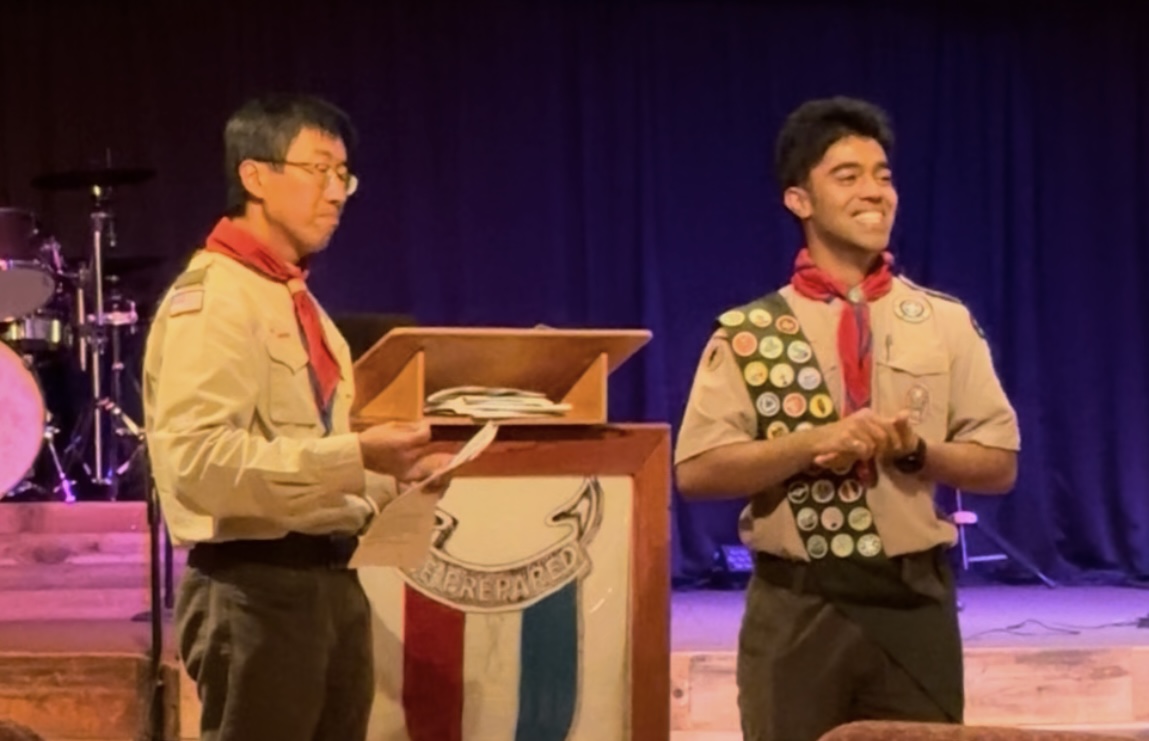
I first got involved in Scouting when I was in elementary school. A third grader. Essentially, I don't remember living a single day where I wasn't a part of this community. And finally, I have reached the end of my journey as a Boy Scout with this achievement. But I suppose the real journey is still yet to begin. All the skills and knowledge I have gained are meant to carry forward into the next chapter.
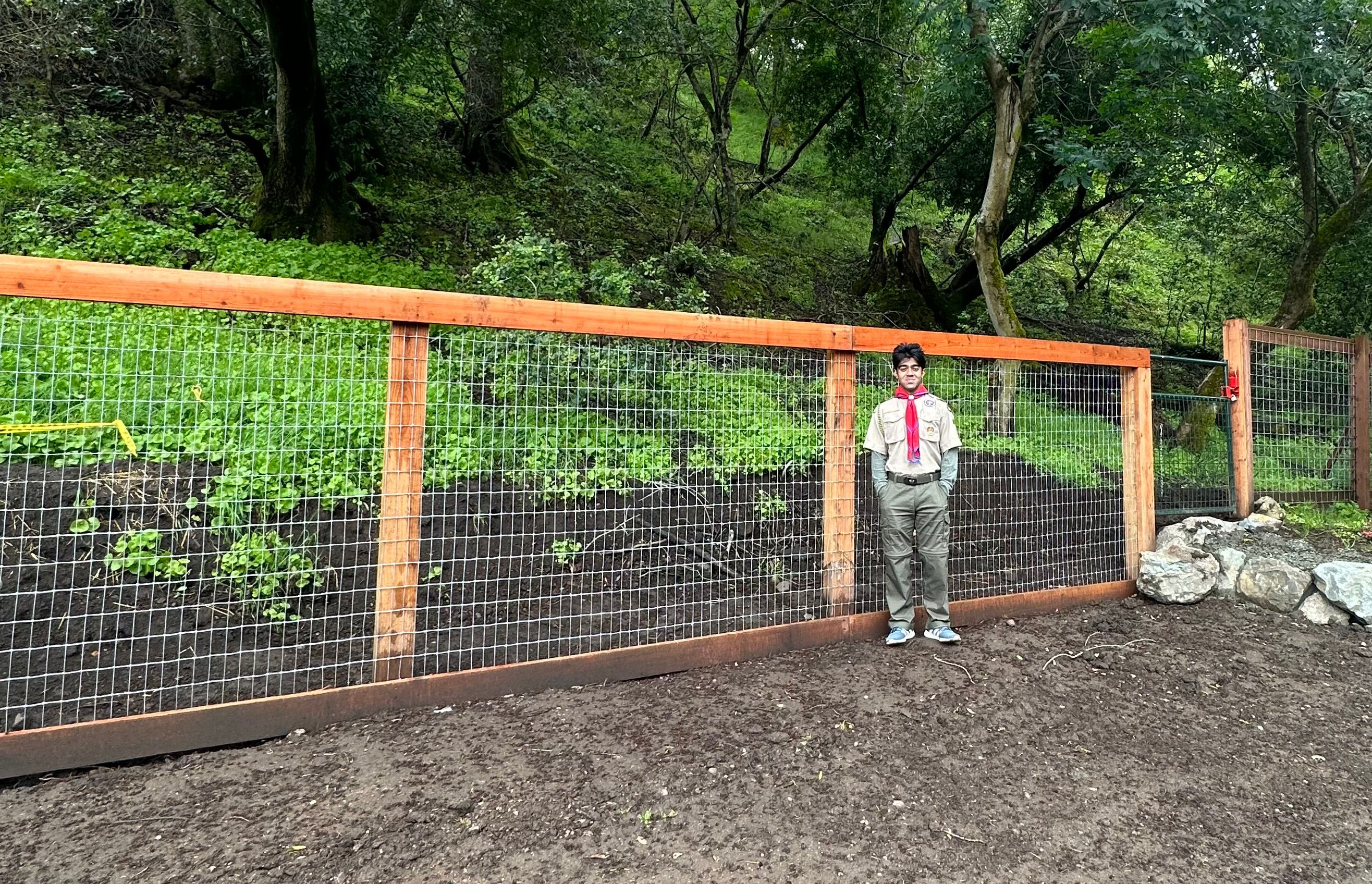
My Eagle Scout project was building a near forty-foot long fence over at Deer Hollow Farm in Cupertino. I spent months planning every detail, from blueprinting the new fence to coordinating work shifts with volunteers. The hardest part? Convincing local officials to trust a teenager with such a large task. Turns out, detailed blueprints and a 40-page proposal help. So does not messing up during presentations.
Research isn't glamorous. It's a lot of staring at data at 2am wondering if you messed up somewhere. It's running the same analysis seventeen times because one decimal point looks suspicious. It's reading scientific papers that make your brain hurt. But when something finally clicks? When your hypothesis actually works? I don't know how to put it. To me it feels like what I imagine it would have felt like to those old scientists stumbling upon some crazy discovery like DNA being a double helix or something. That's why I spent my junior year knee-deep in computational biology instead of, you know, having a normal teenage life.
Beyond the science itself, I learned how to fail productively. Most experiments don't work the first time. Or the tenth. You adjust, try again, and eventually something sticks. Also learned that sleep is optional (don't tell my parents I said that). My presenting and designing skills have also strengthened from conference preparations.
Right now I'm interning at Stanford's T-cell Lymphoma lab, which still feels unreal to say out loud. My job is building analysis pipelines for DNA sequencing data using Python and R. Basically, I take massive sequencing files and filter out things based on certain parameters to find the reads that actually matter. It's a lot of problem-solving and debugging. Sometimes a script breaks and I have to figure out why. Sometimes the data does something weird and I have to adapt. I'm also part of Stanford's neuroscience journal club, where we read recent scientific papers and hear from actual scientists about their work. It's equal parts fascinating and humbling. These researchers are doing incredible things, and I'm just trying to keep up and absorb as much as I can.
Designed bispecific DuoBody antibodies to enhance T-cell cancer therapy through computational modeling and analysis.
View Publication →Investigated a novel approach to detecting and treating glioma by targeting CDKN3 through computational biology methods.
Being published at this journal →Standing in front of actual scientists and college researchers to explain your work is thrilling and terrifying at the same time. You rehearse your presentation a million times, then someone asks a question you didn't prepare for and you just have to roll with it. The best part? Meeting other students doing incredible research. We're all just teenagers trying to sound smart while internally panicking. Also your feet will definitely hurt.
October 2024
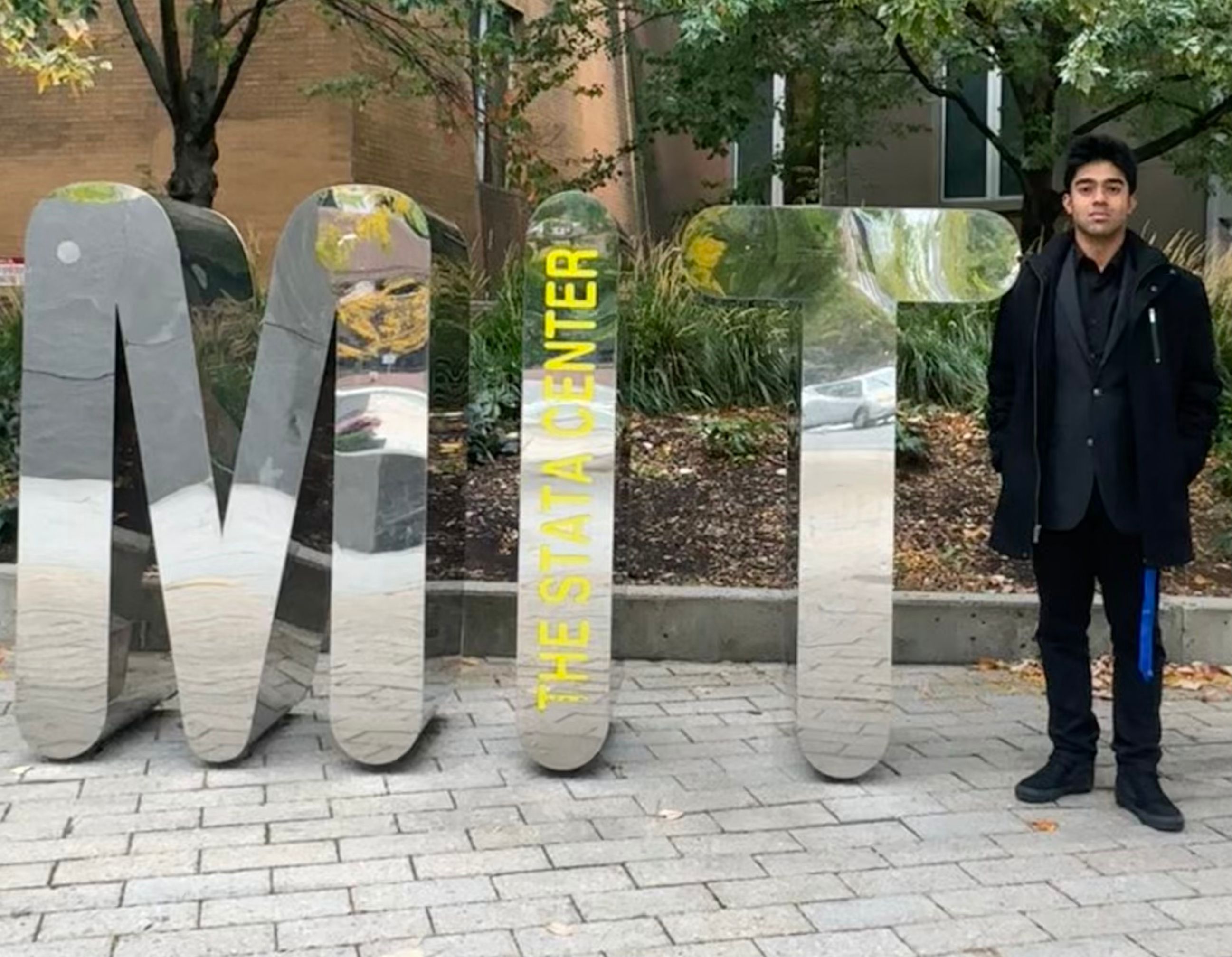
Got to present at MIT, which was surreal. Tried not to fanboy too hard over being on campus.
February 2025
Fancy name, lots of nervous energy, free lunch.
March 2025
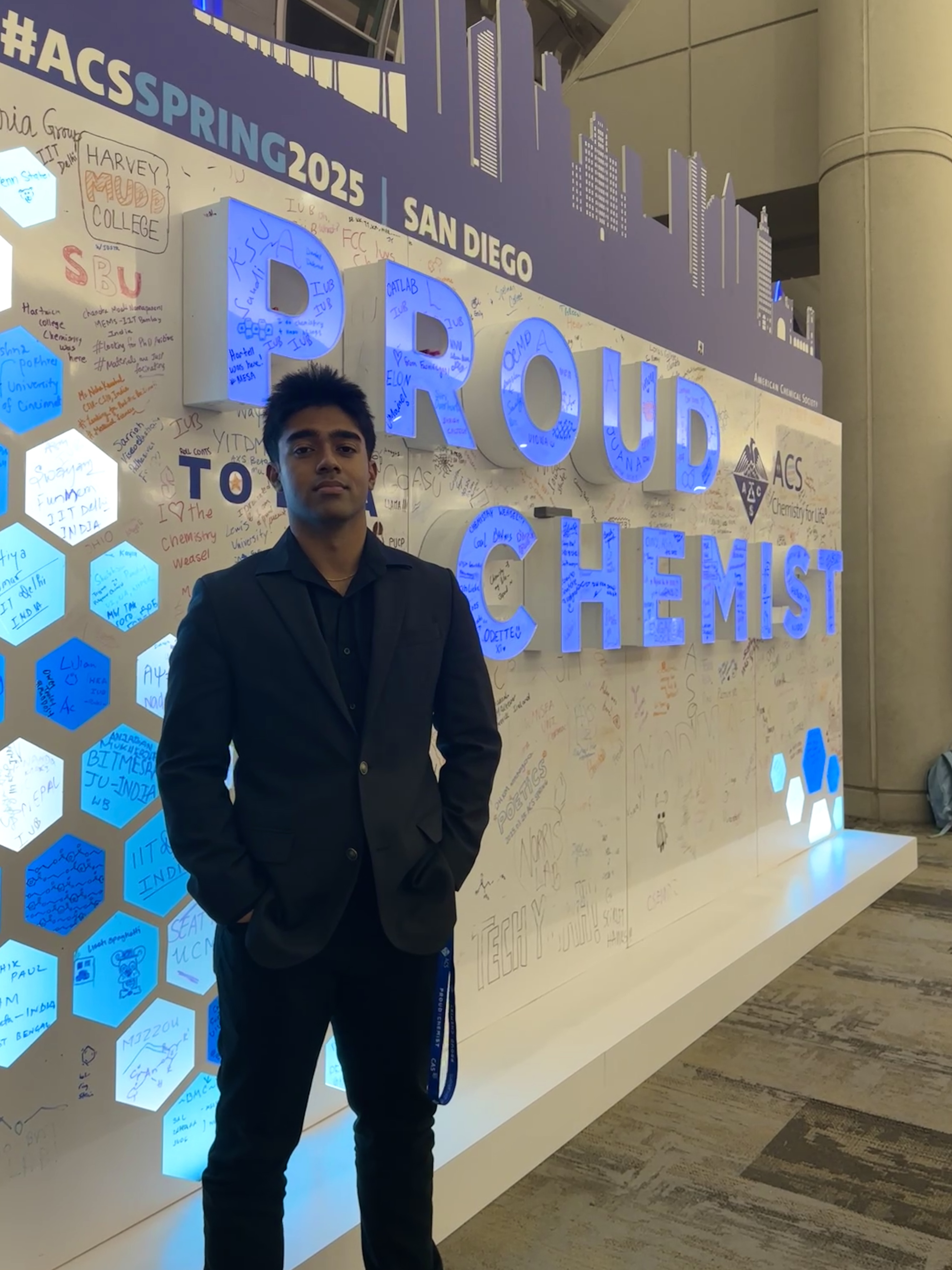
Presented to actual chemists who knew way more than me. Somehow didn't mess up the Q&A. Called it a win.
March 2025
Classic science conference vibes. Made some friends!
November 2025
Another poster, another round of explaining the same graphs. Learned a lot though.
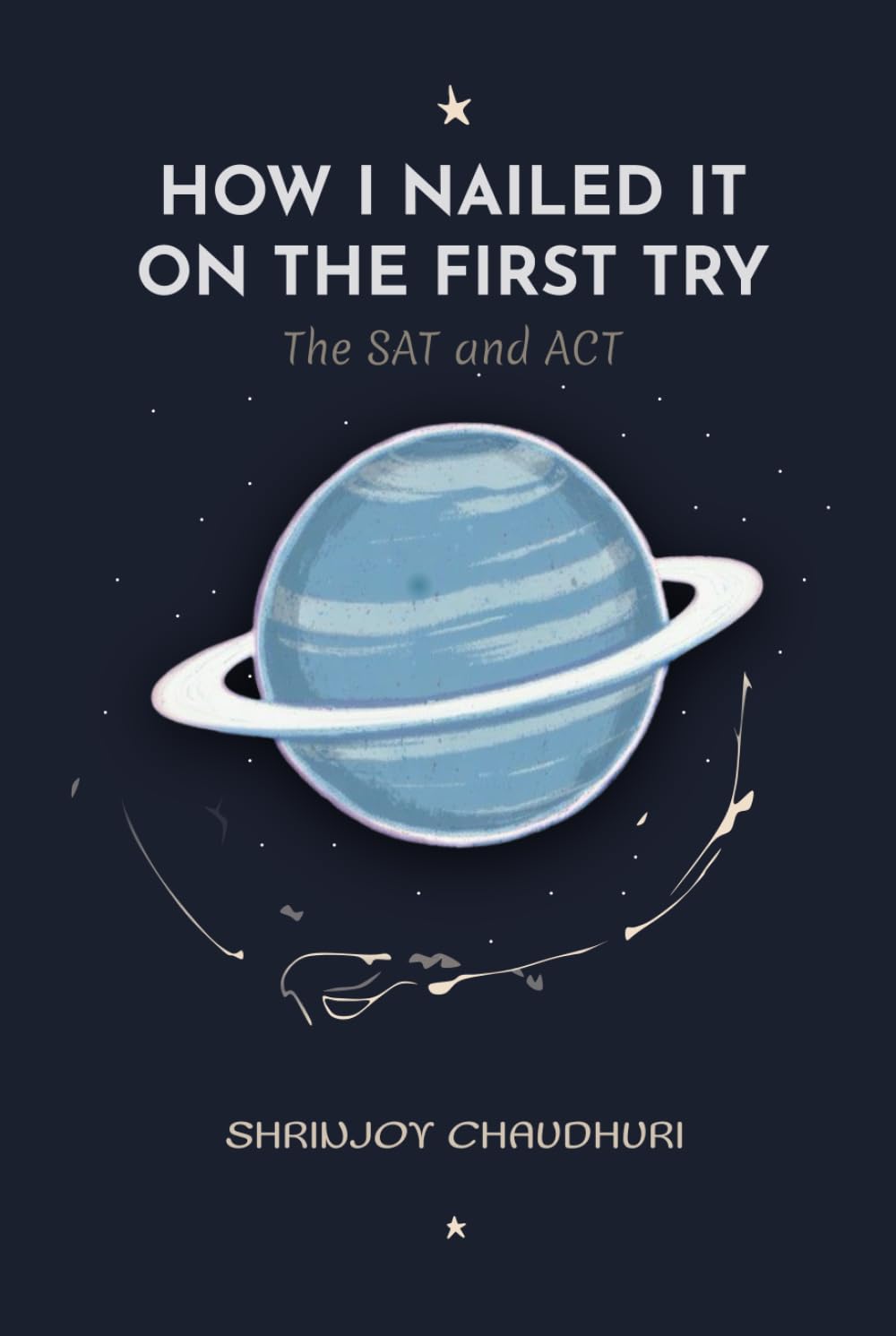
Standardized tests are weird. They don't measure how smart you are, they measure how well you can take standardized tests. Once I figured out the patterns and strategies, the tests became way less scary. I wanted to share that with other students who were stressing like I was. Writing a book as a high schooler was wild. I'd write chapters between homework assignments, edit during lunch, and format pages at midnight. My English teacher thought I was procrastinating on essays. (I was, but I was also writing a book, so it cancels out, right?)
Time management tricks, test-taking strategies, ways to stay calm under pressure, and the mental prep that nobody talks about. Also some jokes because test prep books are usually boring. Available on Amazon if you want to check it out!
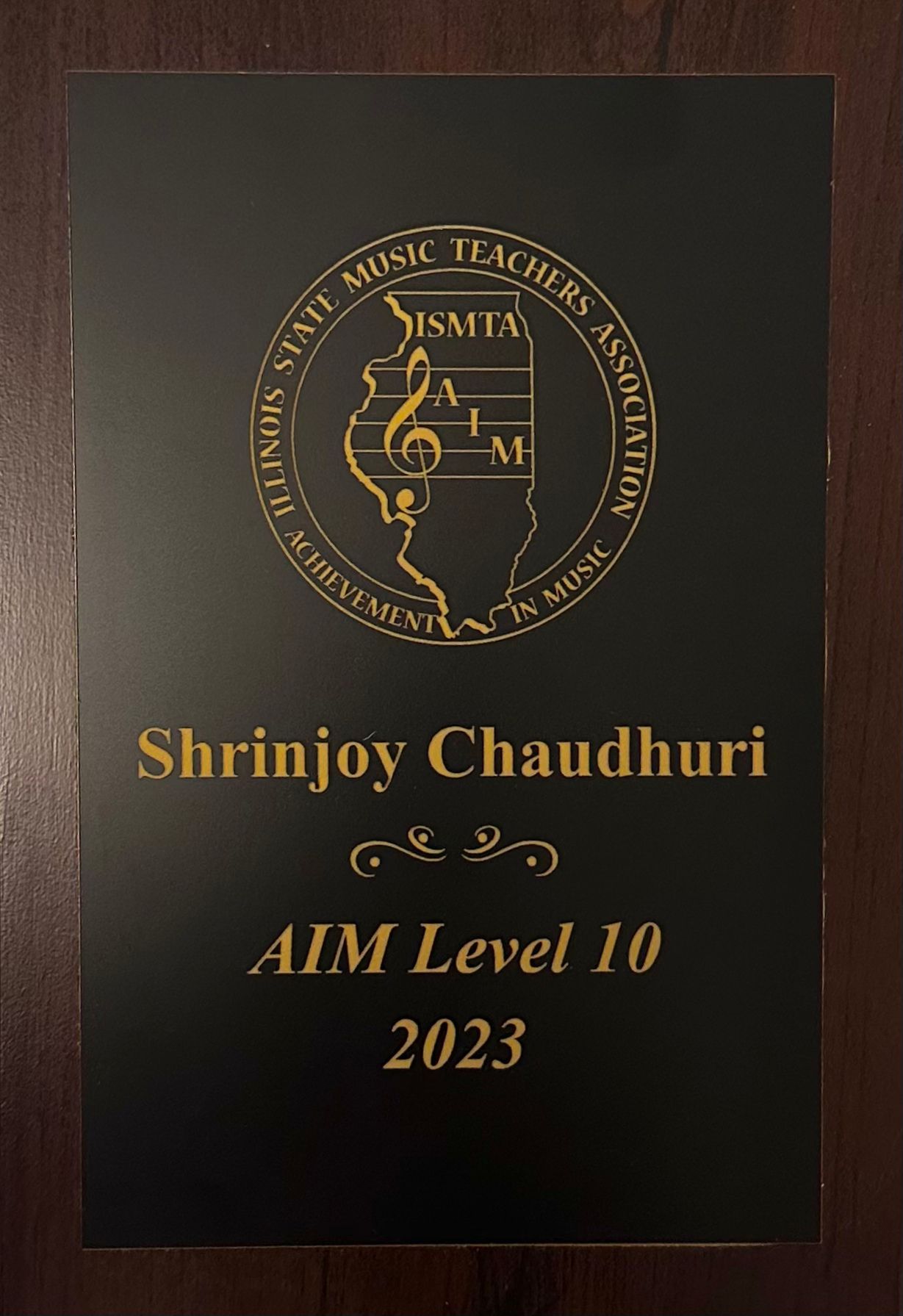
The Level 10 Achievement in Music exam was no joke. Hours of practice every day, memorizing pieces that made my fingers hurt, and performing in front of judges who looked incredibly serious. But I passed, and it felt amazing. I love piano.
Guitar was different because I taught myself. No formal lessons, just YouTube tutorials and a lot of trial and error. Turns out, teaching yourself an instrument builds patience. And calluses. Lots of calluses.
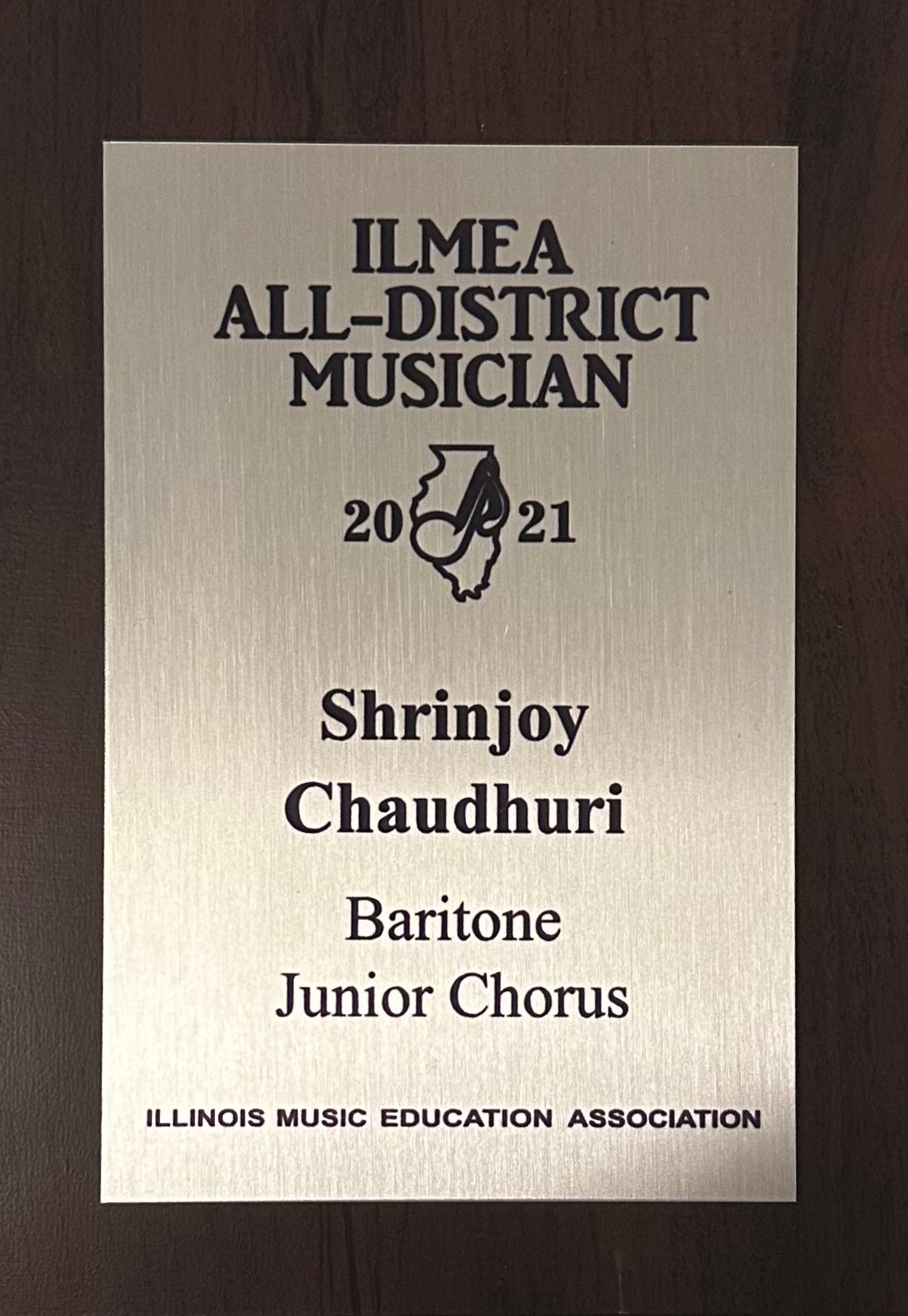
I also sing! I was in choir from kindergarten to freshman year of high school. I was the president of my freshman choir class so I did things like leading warm-ups and somehow keeping a room full of teenagers focused. I also went to ILMEA state that year which was incredible but a little scary. Standing in a room with the best singers in Illinois makes you practice way harder. I got bored of choir though so after I left Chicago I joined theatre. But I still sing almost every day and lately I've gotten into producing.
Teaching other people taught me that everyone learns differently. Some students need visual diagrams, others need real-world examples, and some just need you to explain it five different ways until something clicks. I teach STEM subjects and piano.